

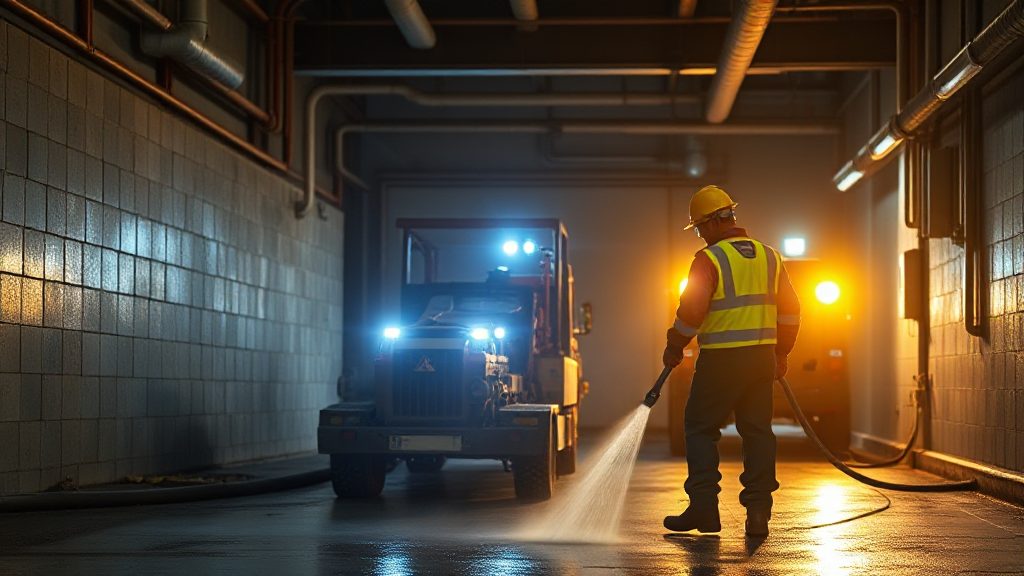
Routine of a Drain Cleaning Crew in Cotia
By the end of this piece you will understand what actually happens from the moment a blockage call comes in to the moment water runs free again, and why that routine matters when you search for a desentupidora Cotia. This is not a sales pitch; it is the working rhythm of a crew that spends its days under sinks, inside inspection boxes and behind restaurant grease traps in one of Greater São Paulo’s busiest growth corridors.
Cotia sits west of the capital, a mix of dense urban neighborhoods, gated condominiums, small factories and rural roads that turn to mud in the rainy season. That geography shapes the job. A crew working here is not dealing with one kind of pipe; it deals with old ceramic lines in the center, PVC in newer developments, and grease-heavy kitchen drains in the commercial strips along the main avenues.
Understanding the routine helps you ask better questions, avoid unnecessary demolition and recognize when a cheap fix is actually an expensive delay.
How a Call Becomes a Job
Every job starts with a phone conversation, and that conversation is diagnostic. The dispatcher asks where the water backs up, whether it happens in one fixture or several, whether there is a smell, and whether the property is a house, an apartment or a business. Those four answers already narrow the cause.
When a single sink drains slowly but everything else is fine, the blockage is usually local, in the trap or the branch line. When water rises in the shower and the toilet gurgles at the same time, the obstruction is further down, in the main line. When the whole property backs up after heavy rain, the problem may be in the public network rather than the private plumbing.
What the Dispatcher Needs From You
- The exact address and any access restrictions for large trucks.
- Whether the property is residential, commercial or a condominium with shared lines.
- When the problem started and whether it is constant or intermittent.
- Whether anyone has already tried chemical products or a manual auger.
That last point matters more than people expect. Aggressive chemicals can damage older pipes and create a hazard for the technician who opens the inspection box later. Telling the crew what was already used prevents accidents and saves time.
Arrival and the First Fifteen Minutes
On arrival, the technician does not start machine work immediately. The first step is a visual inspection: locating the inspection box, checking for standing water, looking for cracks or root intrusion, and confirming which fixtures connect to which line. In condominiums, this is also when the crew coordinates with the building manager so neighbors know water may be shut off briefly.
For a straightforward residential call, a desentupidora Cotia SP crew typically carries a manual auger, a motorized cable machine, a hydrojetting unit for heavier lines, and a camera for verification. Not every job needs all of it. Choosing the lightest effective tool protects the pipe.
Why the Camera Sometimes Comes Out First
In older houses, especially where trees grow close to the line, a camera inspection before cleaning can reveal root invasion, collapsed sections or misaligned joints. If the pipe is already broken, forcing a cable through it makes things worse. Fifteen minutes of inspection can prevent a much larger repair.
The Cleaning Sequence, Step by Step
Once the line is mapped, the actual work follows a predictable order. The crew protects the floor, isolates the affected fixtures, and begins from the closest accessible point to the blockage.
- Mechanical clearing with a cable or auger to open a channel through the obstruction.
- Hydrojetting with high-pressure water to scour grease, scale and sediment from the pipe walls.
- Flushing to confirm that water flows freely and no debris remains.
- Verification with a camera or a flow test before the crew packs up.
Hydrojetting is the step most people underestimate. A cable punches a hole; a jet washes the pipe. In kitchen lines serving restaurants, grease rebuilds quickly if the walls are not cleaned, which is why the same drain blocks again a few weeks after a cable-only job.
For properties in Cotia with septic systems rather than public sewage, the routine changes. The crew checks the tank level and the drain field before assuming the pipe itself is blocked. A full tank mimics a blockage perfectly, and no amount of jetting will fix it.
Variations for Different Properties
No two calls are identical, and the routine adapts. A condominium requires coordination with the syndic, documentation of the intervention, and often a report for the building’s maintenance records. A restaurant requires working around service hours, sometimes late at night, so the kitchen is operational by morning.
Houses, Apartments and Commercial Kitchens
In a house, the crew usually has direct access to the inspection box and can work quickly. In an apartment, access may be through a maintenance shaft or a neighbor’s unit, which requires permission and patience. In a commercial kitchen, the grease trap is often the real culprit, and cleaning it is part of the job rather than an afterthought.
Emergency calls after heavy rain are their own category. When the public network is overloaded, private lines back up even though nothing is wrong inside the property. In those cases the crew clears what it can, documents the condition, and advises the client to contact the local utility. Honest diagnosis matters more than a quick sale.
Costs, Trade-offs and What Drives the Price
Pricing in this trade is not arbitrary, but it is rarely a single flat number. The main variables are access, pipe diameter, distance to the blockage, the equipment required and the time of day. An emergency call at two in the morning costs more than a scheduled visit on a Tuesday afternoon, and that difference is labor, not opportunism.
| Job type | Typical effort | What affects the price |
|---|---|---|
| Single sink or shower | Short, one technician | Access and trap type |
| Main household line | Medium, cable plus jet | Pipe length and condition |
| Commercial grease line | Longer, heavy jetting | Grease volume and trap size |
| Septic tank cleaning | Depends on tank size | Sludge level and truck access |
The trade-off clients face is between a fast, cheap clearing and a thorough cleaning that lasts. A cable-only job on a grease line is cheaper today and more expensive in two months. Asking the crew whether hydrojetting is included is one of the most useful questions you can ask.
Preventing the Next Blockage
Most repeat calls are preventable, and the crew usually knows within minutes what caused the first one. Cooking grease poured down the sink, wipes flushed down the toilet, hair accumulating in shower drains and tree roots seeking moisture are the four recurring causes.
Simple habits make a measurable difference: strainers in every sink, a grease container in the kitchen, and a rule in the household that only toilet paper goes in the toilet. In condominiums, periodic hydrojetting of the main lines before the rainy season is far cheaper than an emergency intervention during it.
For businesses, a maintenance contract is less about loyalty and more about scheduling. Cleaning a grease trap on a fixed interval removes the guesswork and avoids the scenario where the kitchen shuts down on a Friday night.
Choosing a Crew You Can Actually Reach
When you need a desentupidora em Cotia SP, availability is part of the service. A blockage does not wait for business hours, and a company that only answers during the day is of limited use at night. Confirm that the phone line is actually attended, ask whether the crew carries a camera, and check that the quote includes verification after cleaning.
Local knowledge also counts. A crew that works regularly in Cotia knows which streets are difficult for large trucks, which condominiums have shared lines, and which neighborhoods are on septic systems. That familiarity shortens the job and reduces the chance of a return visit.
The routine described here is not marketing language; it is the sequence a competent team follows every day. When a company can explain it clearly before you hire, that is usually a good sign that the work itself will be done properly.
Frequently Asked Questions
How long does a typical drain cleaning take?
A single fixture usually takes under an hour. A main household line takes one to three hours depending on access and condition. Commercial grease lines and septic work can take longer and may require a second visit.
Do I need to be home during the service?
For houses, yes, or someone must provide access to the inspection box and the interior fixtures. In condominiums, the building manager can often coordinate access, but the resident should still be reachable by phone.
Is hydrojetting safe for older pipes?
It is safe when pressure is adjusted to the pipe’s condition, which is why inspection comes first. On fragile or already damaged lines, the crew may recommend a gentler method or a repair before cleaning.
Why does the same drain keep blocking?
Recurring blockages usually mean the pipe walls were not fully cleaned, the slope is inadequate, roots have entered a joint, or a grease trap is undersized. A camera inspection identifies which of these applies.





Leave a Reply